Living Mother's Day Gifts That Feed Bees
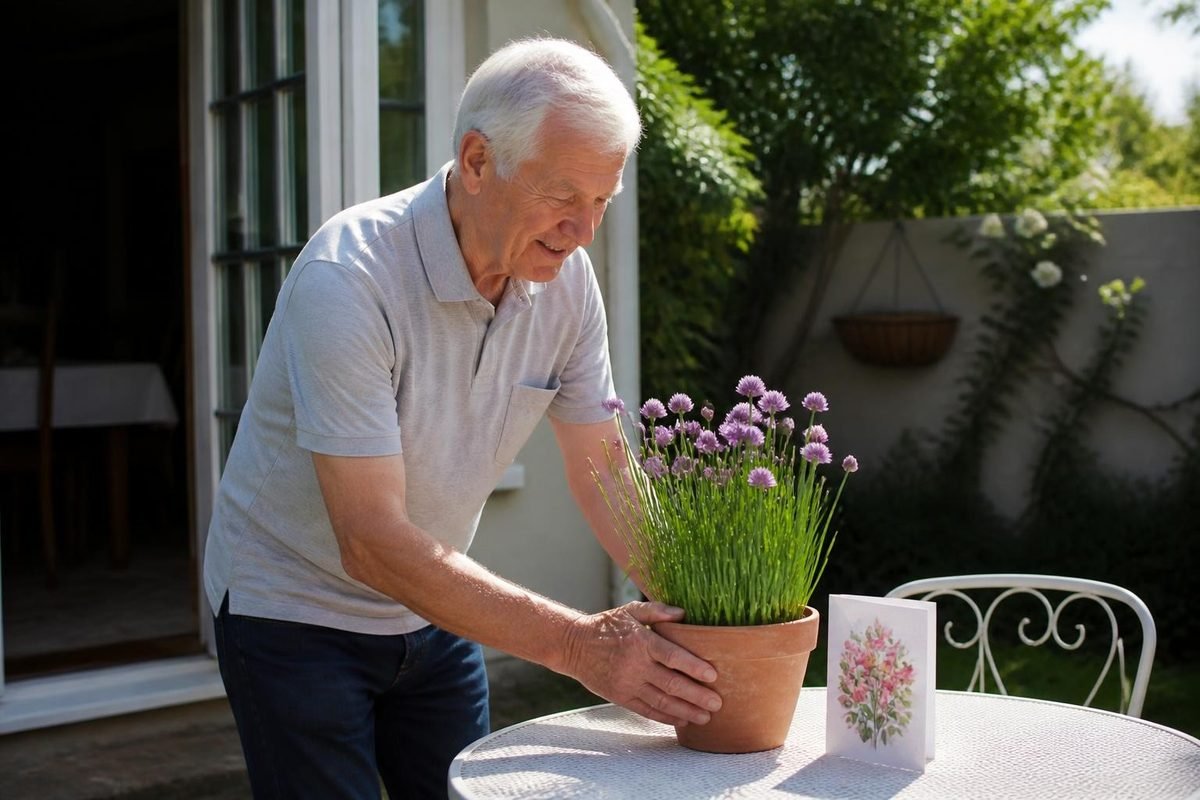
Lavender, chives, thyme, borage, and asters native to your area can make living Mother's Day gifts that offer food to bees. Pick plants suited to the recipient’s climate and combine varieties that bloom at different times.
Plants that offer bees food
Bees gather nectar and pollen from flowers, and some blooms make these easier to reach. Chives produce round purple flower heads above edible leaves, and many kinds of bees visit them. Bees also feed at thyme’s small flowers and at lavender’s fragrant flower spikes while they are in bloom.
Borage bears blue, star-shaped blooms that bees readily visit. It grows easily from seed, but the plant can become broad and sprawling. It may also self-seed and spread through a garden. Check that there is enough space before giving borage.
Asters native to the recipient’s region can provide flowers later in the season, extending the food available to bees. Ask a local nursery or native plant group which asters grow naturally nearby. Flowering dates depend on the species and the location, so an aster may not have blooms on Mother’s Day.
Match the plant to its setting
A plant has a better chance of thriving if its growing conditions suit its new home. Lavender and thyme usually need full sun and soil that drains well. Chives prefer sunny spots but can manage some shade. Read the care label for the specific plant, and find out how much light and space the recipient has.
Flowering herbs in a pot can work well on a balcony or patio if they get enough light and the pot has drainage holes. For a garden, consider a flowering plant native to the area. Native plants often help local insects, but their growing requirements vary. Select one suited to the garden’s soil and conditions.
Prepare the gift
- Look for healthy leaves and firm stems. Choosing a plant with both buds and open flowers can extend the time it remains in bloom.
- Ask how it was grown. Do not choose plants treated with pesticides that may harm bees. If you cannot confirm the treatment history, request more information.
- Set the nursery pot inside a decorative cover, or choose a pot with drainage holes and a saucer. Keep water from pooling around the roots.
- Include a short care note. Give the plant’s name, its light and watering requirements, and the season when it is expected to flower.
Help the blooms serve bees
After the recipient enjoys the plant indoors, it will generally need an appropriate place outdoors to benefit visiting bees. If it has been inside, move it outside gradually. Continue to follow its instructions for light and watering.
Leave some herb stems to flower instead of harvesting every one for cooking. Do not apply insecticides to plants that are flowering. Make room for flowers in other parts of the year, too. A small selection of suitable plants can be a lasting gift and provide bees with another place to feed.
More to read: All Saints' Day in Poland